Rise of Castles: Ice and Fire
Top Games










Game Screenshots
Game Introduction
🏆 Expert Verdict & Overview
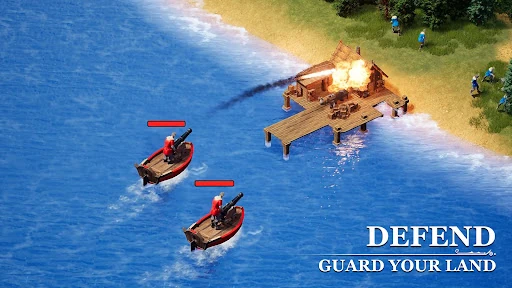
Rise of Castles: Ice and Fire stands as a formidable titan within the mobile MMORTS (Massive Multi-Player Online Real-Time Strategy) landscape. By integrating a "One World, One Server" architecture, it elevates the stakes of the medieval strategy genre, transforming local skirmishes into a persistent global theater of war. The game successfully blends classic empire-building mechanics with high-fantasy elements like dragon taming and hero collection, positioning itself as a deep, high-commitment experience for fans of hardcore competitive strategy.
🔍 Key Features Breakdown
- World Wide War: By hosting all players on a unified global server, the game solves the issue of fragmented communities, ensuring that high-stakes competition and diplomacy are available at any hour.
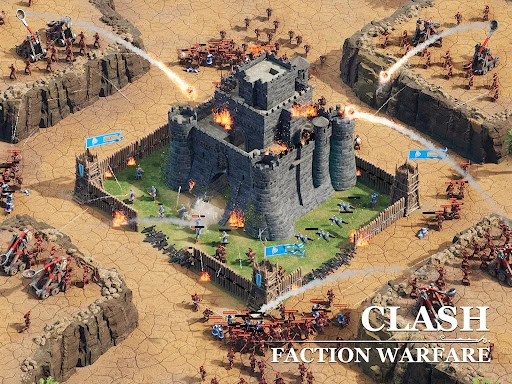
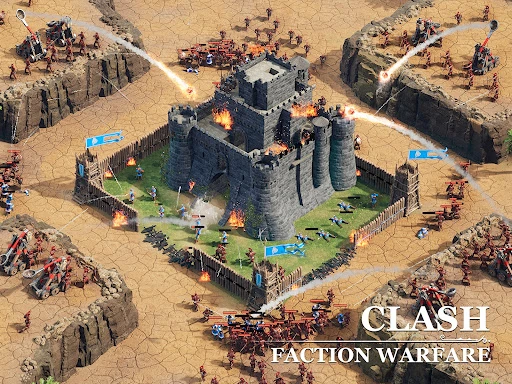
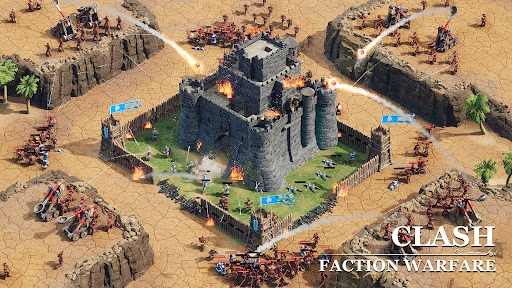
- Tactical Unit Synergy: The interplay between Footmen, Cavalry, and Archers prevents "stat-padding" victories, requiring players to solve tactical puzzles by scouting enemies and counter-picking unit types.
- Hero & Dragon Systems: These layers provide a solution to the generic nature of mobile armies, allowing players to customize their combat style—whether through specialized dragon shouts or hero-led bonuses for specific troop types.
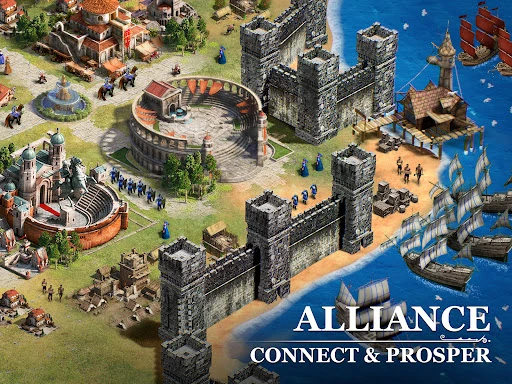
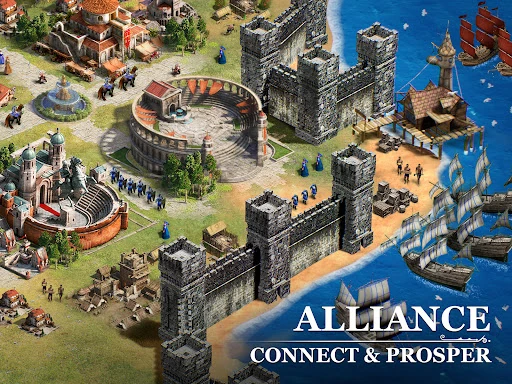
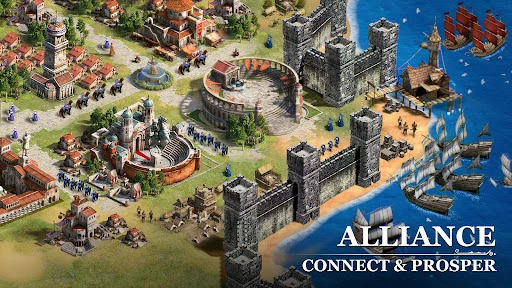
- Alliance Framework: The game solves the isolation of solo play by making alliances central to survival, offering a robust social structure for cross-server conflicts and political maneuvering.
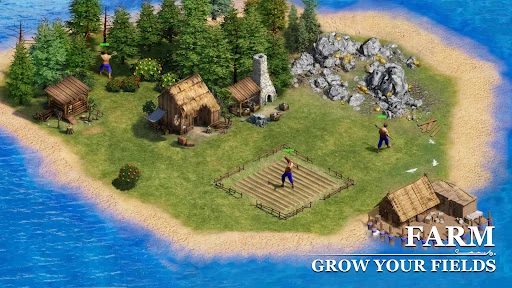
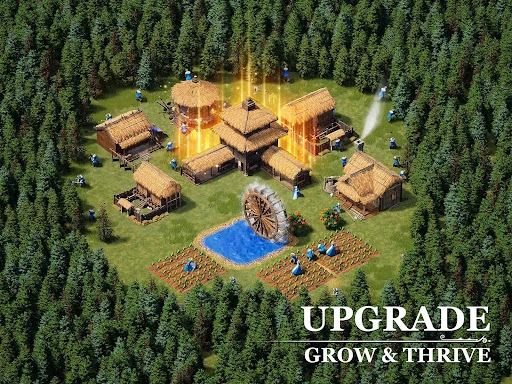
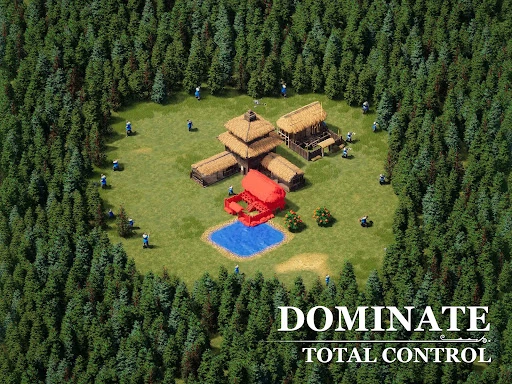
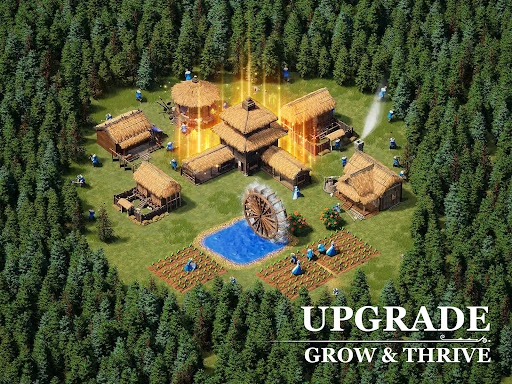
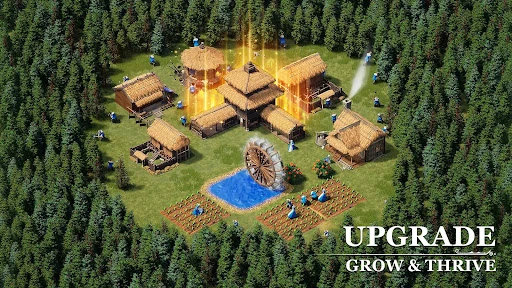
- Free-Form City Construction: Unlike rigid grid-based builders, the "Absolute Freedom" in castle layout allows players to optimize their resource production and aesthetic design to suit their specific strategic needs.
🎨 User Experience & Design
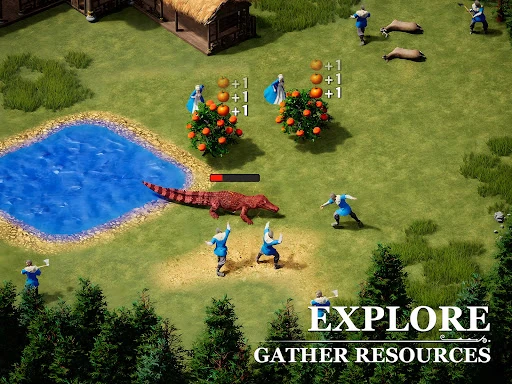
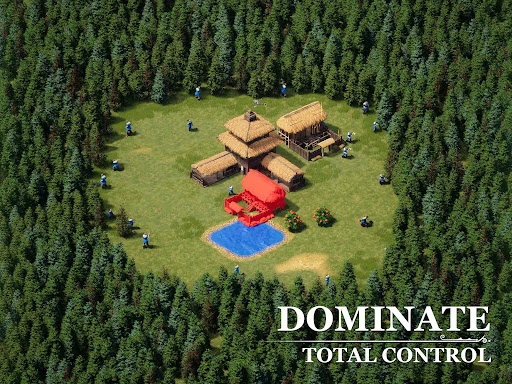
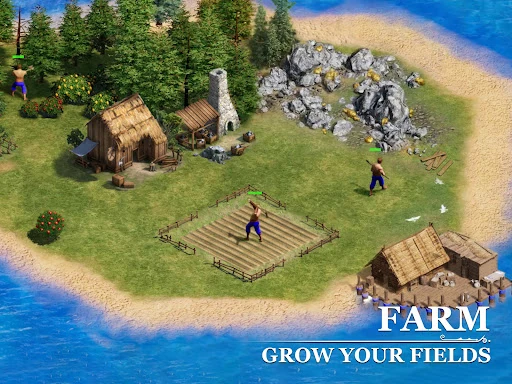
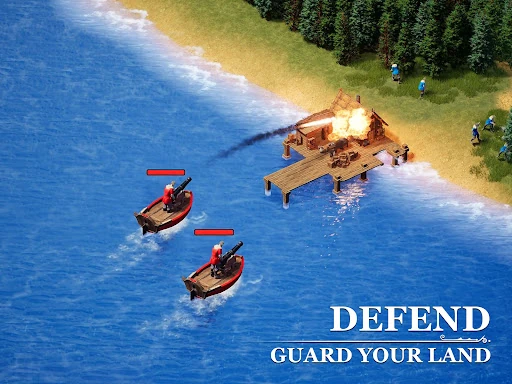
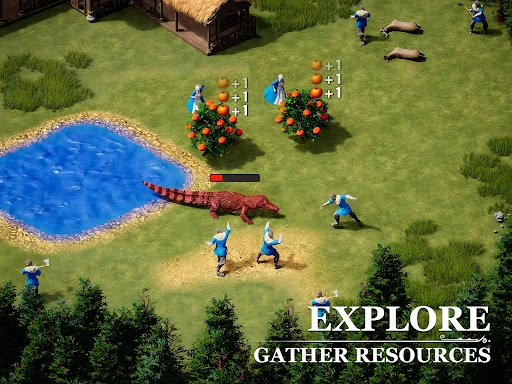
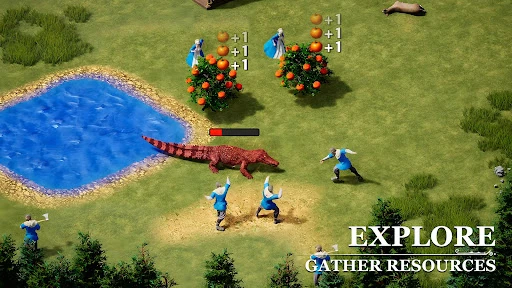
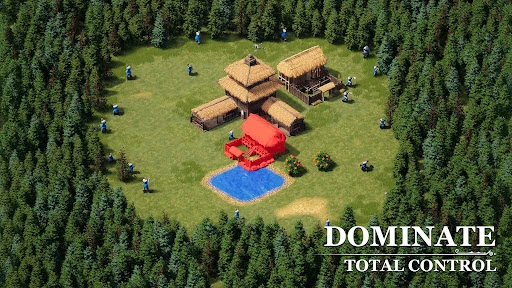
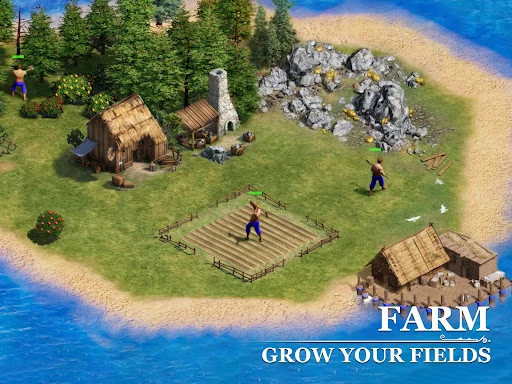
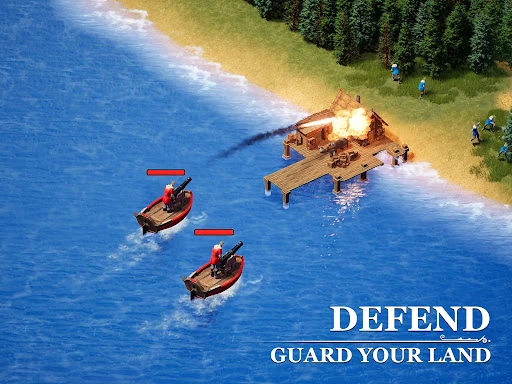
From a design perspective, Rise of Castles: Ice and Fire prioritizes "Realistic Graphics" to create an immersive, gritty atmosphere that distinguishes it from its more stylized, cartoonish competitors. The UI is undeniably complex, featuring a high density of menus, resource trackers, and research trees; however, this is a standard within the Strategy category that power users expect. The UX succeeds in making the transition from the macro-view of the world map to the micro-management of the city ruins feel seamless, though the learning curve remains steep for newcomers to the genre.
⚖️ Pros & Cons Analysis
- ✅ The Good: Exceptional scale and depth in global PvP, offering a true sense of "Nation vs. Nation" stakes.
- ✅ The Good: High degree of strategic customization through the hero system and dragon mechanics.
- ❌ The Bad: Significant reliance on in-app purchases can create a visible power gap between casual players and "whales."
- ❌ The Bad: The high level of realism and constant global activity requires a significant time commitment to maintain competitiveness.
🛠️ Room for Improvement
To further refine the experience, the developers could introduce more robust catch-up mechanics for newer players to mitigate the dominance of established alliances. Additionally, streamlining the early-game UI to reduce menu clutter would improve the onboarding process. Enhancing the narrative elements surrounding the "Death Harbingers" through more interactive story missions could also provide a better sense of progression during the resource-heavy mid-game grind.
🏁 Final Conclusion & Recommendation
Rise of Castles: Ice and Fire is a premier choice for the "hardcore strategist" demographic—players who thrive on diplomacy, long-term planning, and the thrill of large-scale warfare. It is not a casual experience; it is a digital lifestyle for those who enjoy the complexity of medieval politics and empire management. Our final recommendation: It is a must-play for fans of the genre, provided they are prepared for the competitive intensity of a global battlefield.
You May Also Like