Google Calendar
Top Games








Game Screenshots
Game Introduction
🏆 Expert Verdict & Overview
Google Calendar stands as the foundational pillar of the modern productivity landscape, serving as much more than a simple digital planner. As a core component of the Google Workspace ecosystem, it acts as a centralized command center for time management, seamlessly bridging the gap between personal scheduling and professional collaboration. In an era of fragmented workflows, its ability to synthesize data from Gmail, Tasks, and Meet into a single, cohesive interface makes it an indispensable tool for users seeking a "single source of truth" for their daily lives. It is the gold standard against which all other scheduling applications are measured.
🔍 Key Features Breakdown
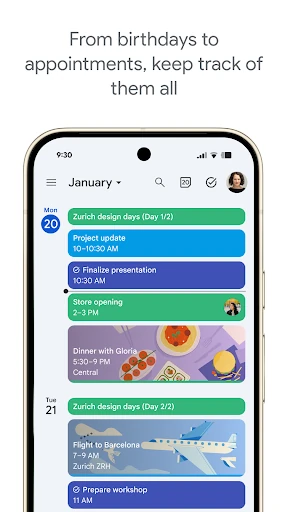
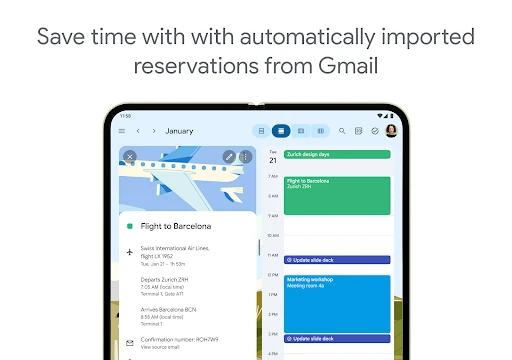
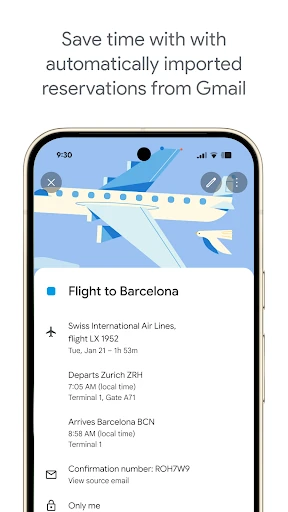
- Gmail Auto-Integration: Automates the administrative burden of scheduling by extracting flight, hotel, and reservation data directly from emails into the calendar, reducing manual entry errors.
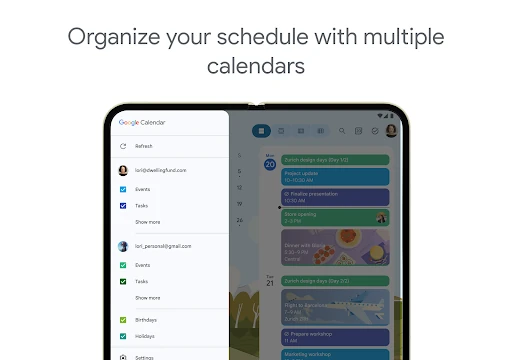
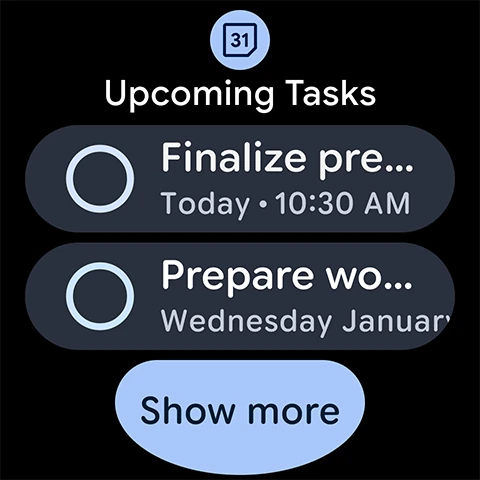
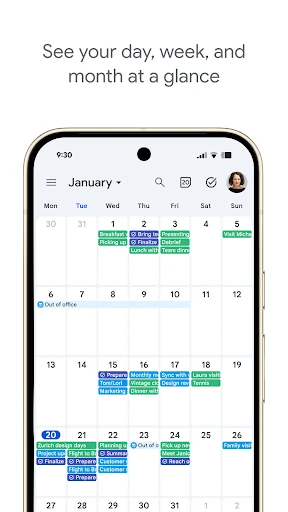
- Unified Task Management: Solves "app-switching" fatigue by allowing users to manage to-do lists and time-blocked events within the same visual framework, ensuring deadlines are never overlooked.
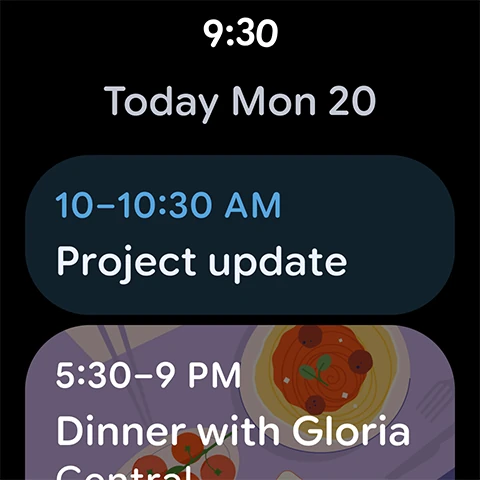
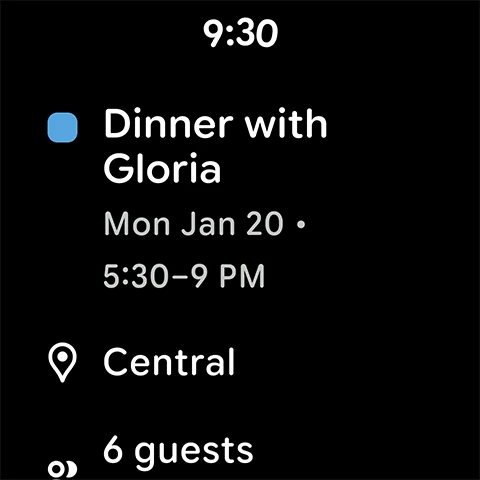
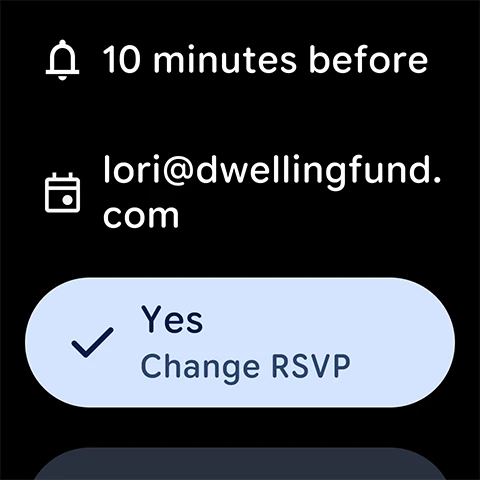
- Cross-Platform Continuity: Ensures data integrity and accessibility across Android, Wear OS, and desktop environments, catering to the needs of the mobile-first professional who moves between devices.
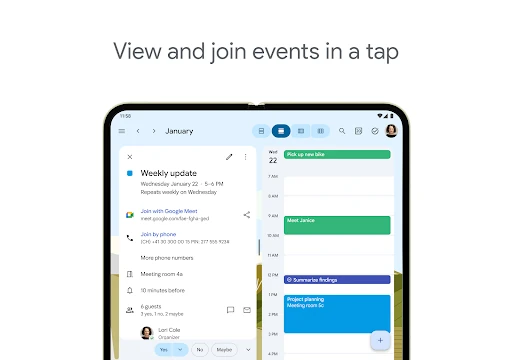
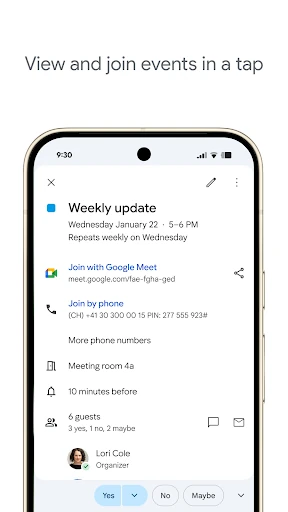
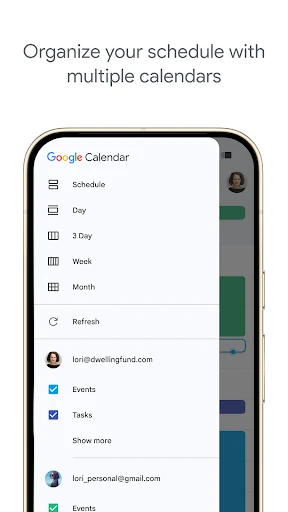
- Enterprise-Grade Collaboration: Simplifies team logistics through shared calendars, availability checking, and professional booking pages, making it a robust solution for hybrid work environments.
🎨 User Experience & Design
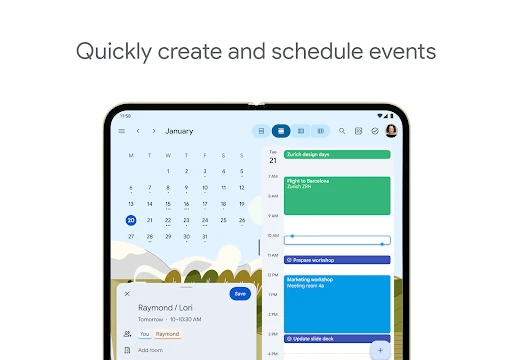
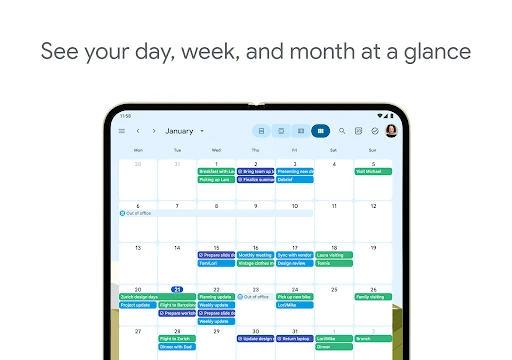
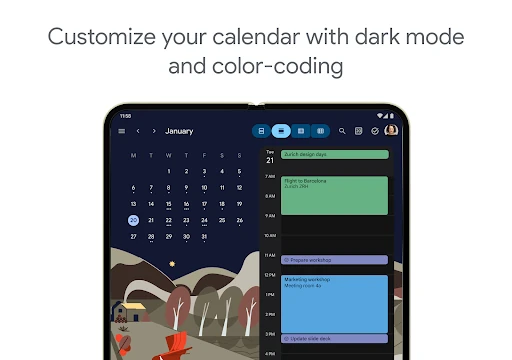
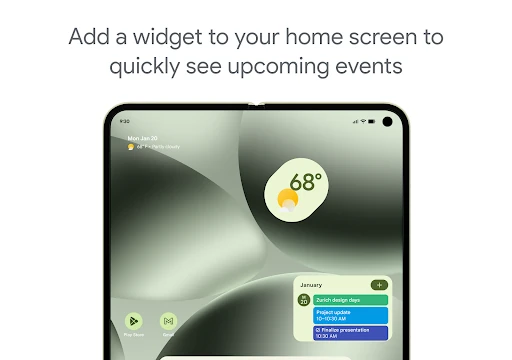
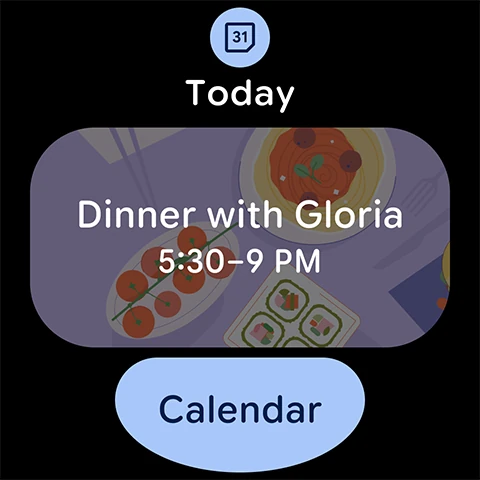
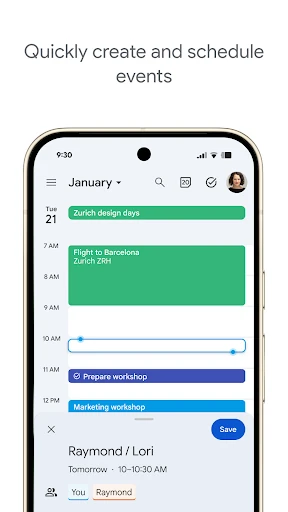
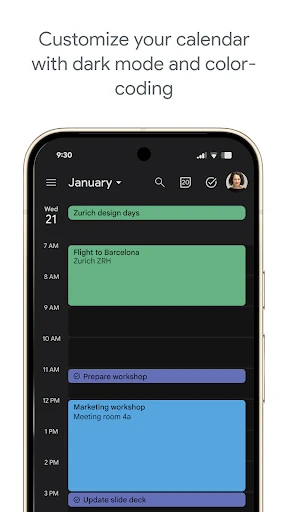
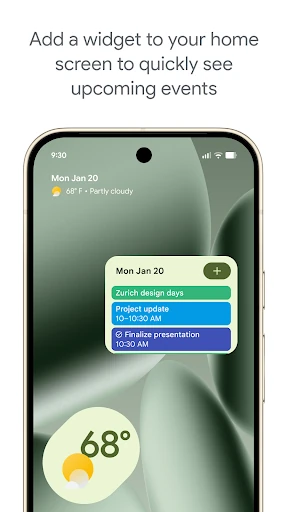
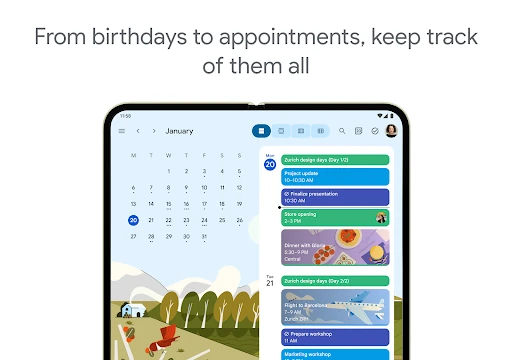
Leveraging Google’s Material You design language, the UI is both aesthetically pleasing and highly functional. The interface prioritizes clarity, using color-coding and whitespace to prevent cognitive overload even when managing dense schedules. Navigation is intuitive; the ability to quickly toggle between day, week, and month views via a simple sidebar or gesture ensures that users can shift from granular planning to high-level overviews instantly. For Wear OS users, the inclusion of dedicated tiles and complications demonstrates a sophisticated understanding of "at-a-glance" UX, providing critical information without requiring a full device interaction.
⚖️ Pros & Cons Analysis
- ✅ The Good: Unparalleled ecosystem integration that creates a frictionless flow between email, video conferencing, and document sharing.
- ✅ The Good: Exceptional reliability and synchronization speed, ensuring that changes made on one device are reflected globally in near real-time.
- ❌ The Bad: Some advanced features and granular settings available on the desktop web version are noticeably absent or harder to find within the mobile interface.
- ❌ The Bad: The "Schedule" view can occasionally feel cluttered for users with a high volume of recurring, low-priority background tasks.
🛠️ Room for Improvement
Future updates should focus on enhancing Natural Language Processing (NLP) for event creation, allowing for more intuitive "quick-add" functionality (e.g., "Dinner at 7 tomorrow"). Additionally, providing more robust offline editing capabilities for the mobile app would significantly benefit international travelers and those working in low-connectivity environments. Finally, offering more granular notification controls for shared calendars would help power users manage "alert fatigue" in large corporate settings.
🏁 Final Conclusion & Recommendation
Google Calendar is the definitive scheduling solution for anyone already invested in the Google ecosystem, from students to enterprise-level executives. It is the ideal choice for users who require a high degree of automation and cross-team visibility. Whether you are managing a complex corporate team or simply trying to keep a household on track, Google Calendar remains the most versatile and reliable productivity hub available on the market today.
You May Also Like